The seven sections
Proposal templates from tools like Bonsai, PandaDoc and Better Proposals cover the paperwork well. What most of them leave out is the one thing a client can't get from any other proposal: a look at their own new site.
- Their goalIn their words. “More direct bookings, fewer calls asking if we have rooms.”
- What's holding the current site backThree to five findings, each specific and fixable. Not “it looks dated”: “the booking button is below the fold on a phone, and the page takes six seconds to show anything on mobile data”. Only state what you measured.
- The conceptA before and after of their homepage, and a link to the concept live. This is the section they'll forward to their partner.
- ScopeWhich pages, what's included (words edited, photographs placed, a booking link wired in), what isn't, and who supplies what.
- TimelineMilestones from approval to launch, with the client's own part in each (words by Friday, feedback within two days).
- PriceOne number for the site. A separate monthly number for hosting and care, if you offer it, with what it covers.
- Next stepOne action, not three. “Approve the concept on the link and I'll start on Monday.”
Why the concept matters most
A client reading a proposal is trying to picture the result. Every other section asks them to trust you; the concept shows them. It also settles taste early: if they don't like the direction, you find out before the work, not after it.
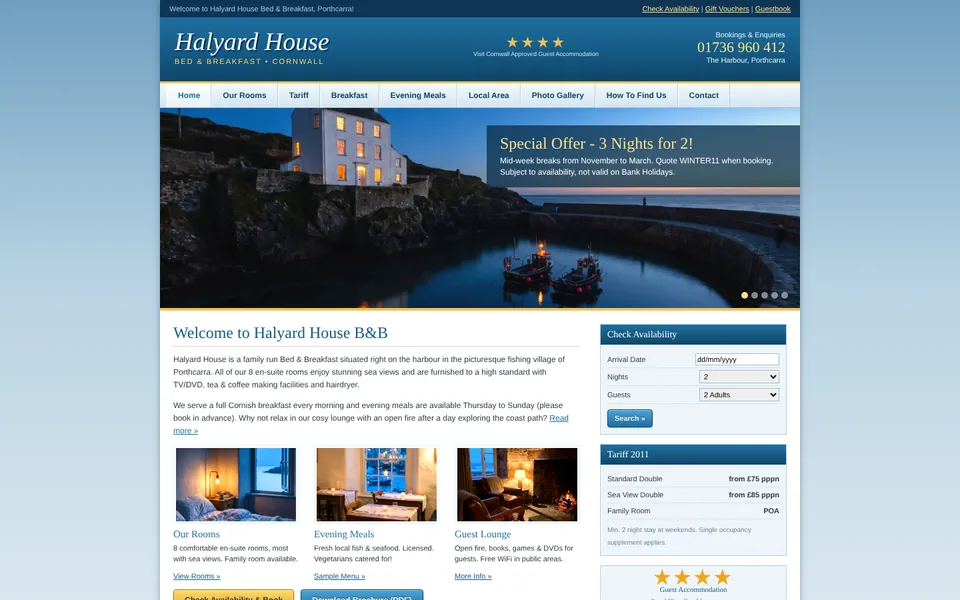 Their site today
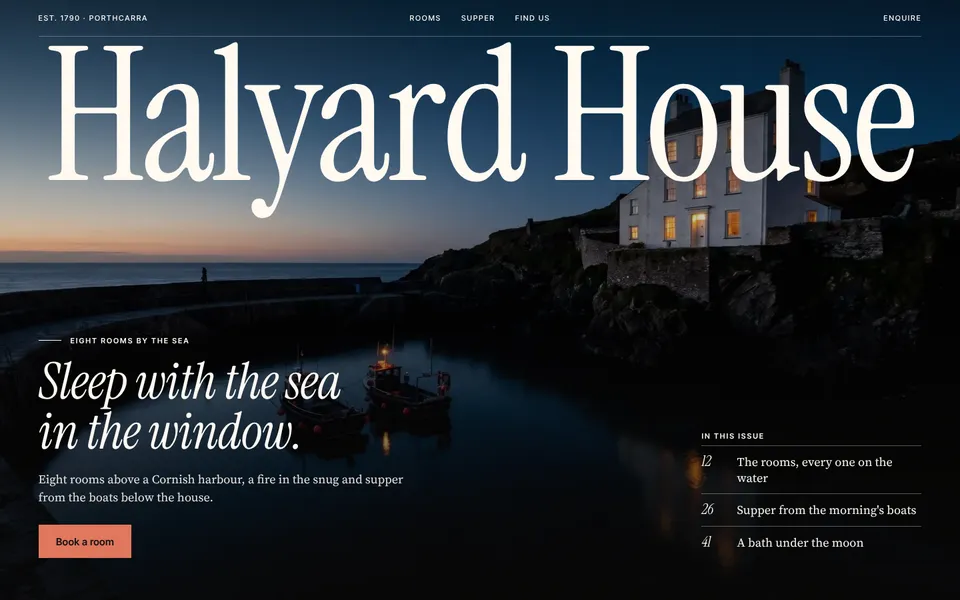 The concept you pitch
A template to copy
[Business name]: a new website

1. What you want
   [One or two sentences in their words.]

2. What's holding the current site back
   - [Finding, with the measurement]
   - [Finding]
   - [Finding]

3. The concept
   [Before and after image]  See it live: [review link]

4. What's included
   Pages: [list]. Included: [words edited, photographs placed, ...].
   Not included: [...]. You supply: [...].

5. Timeline
   Week 1: [...]  Week 2: [...]  Launch: [date]

6. Price
   The site: [fixed price]. Hosting and care: [monthly], covering [...].

7. Next step
   Approve the concept on the link above, and I'll start on [day].
Making the concept with Sonder
Sonder, the website MCP for designers, makes section 3 from your agent. Ask Claude, ChatGPT or Cursor to redesign the prospect's site as a pitch: Sonder reads their site, fills a look that suits them with their own words and photographs, checks it in a real browser and returns the before and after. The review link lets the client click anywhere to comment, and approve it, without an account. On Team, the review link carries your studio's own branding.
What it doesn't do: write the rest of your proposal for you, or send it. Your agent can draft the other sections; you check them and send it yourself.
Questions
How long should a website redesign proposal be?
As short as it can be while answering the client's questions: often two to four pages. The concept image does more work than extra pages.
Should I include a design in a proposal before I'm paid?
A homepage concept, yes, if it's quick for you to make: it wins more work than it costs. A whole designed site, usually not. Sonder makes the concept from their current site, so it costs you minutes, not days.
How much should I charge for a website redesign?
It depends on your market, the number of pages and what's included, so there's no honest single number. Price the outcome for the business, quote one fixed figure, and price ongoing hosting and care separately.
What if the client doesn't like the concept?
That's useful, and cheap to learn at the proposal stage. Ask what they'd change, or show a second look; Sonder can fill the same site in several looks at once.